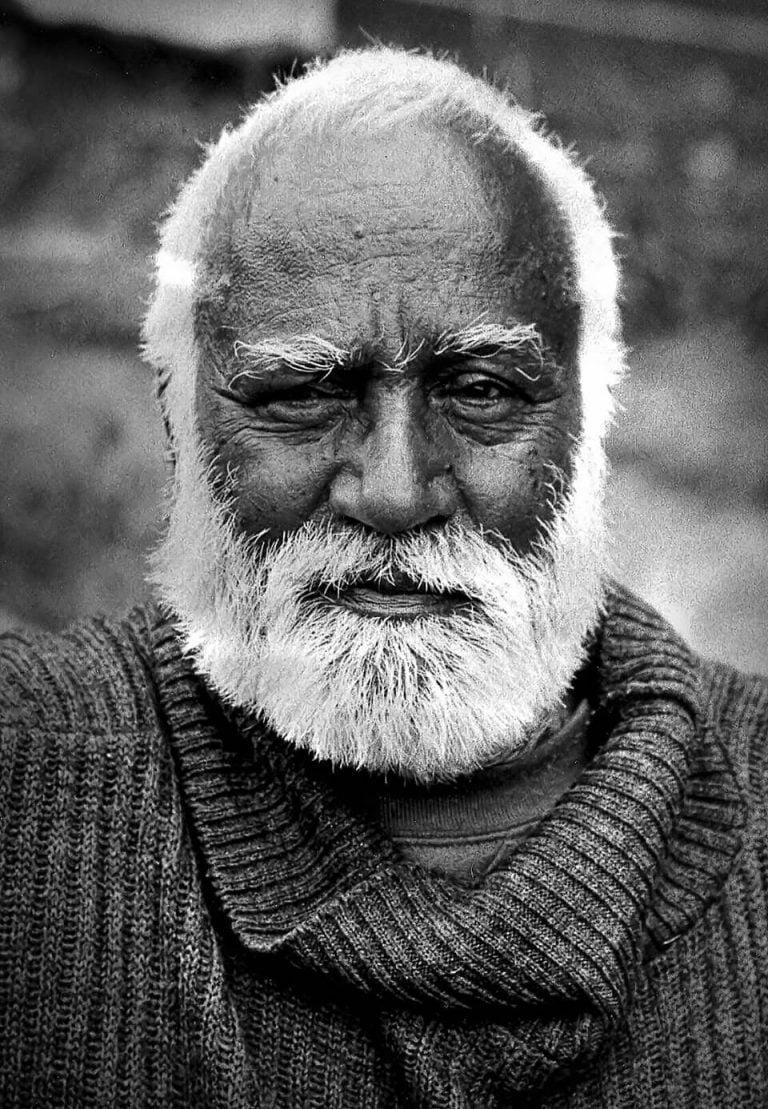
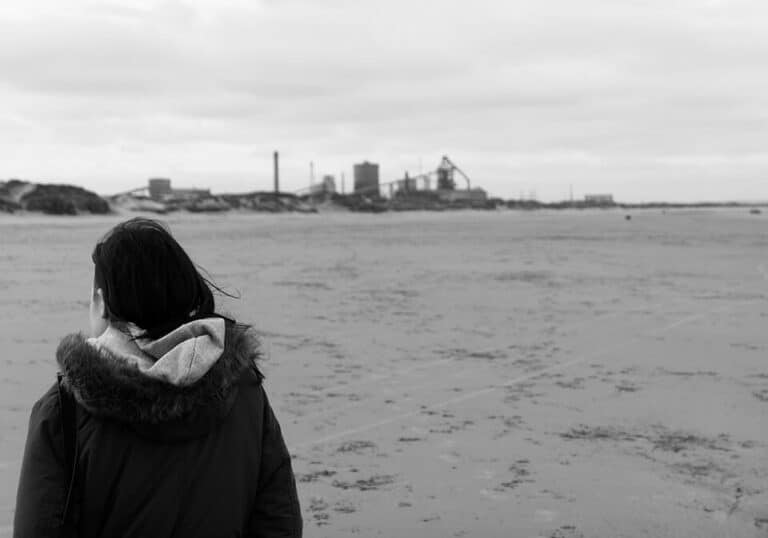
A photographic essay on the side-effects of anti-depressant withdrawal.
I am – or was – a very level, calm person. Not prone to panic.
Around 2004 I was prescribed a high dose anti-depressant, Dosulepin, as a muscle relaxant. It wasn’t for depression. I have spinal stenosis and disc compression, and the drug was for the pain. I took it for around fifteen years and had no issues with it at all.
In 2017 Dosulepin was found to cause heart problems with extended use and was being withdrawn by the NHS. So I came off it.
I withdrew completely in two weeks.
The recommended procedure is to reduce the dose gradually, over six months or so. Many people need that long. Some never manage to come off it at all. My doctor offered no advice on quitting, and I only found any of this out afterwards.
The first week or so was fine. No problems. I thought I’d successfully come off the drug.
The next two weeks were desperate.
I needed to be away from everything. I wasn’t suicidal, but I couldn’t stand being in the state I was in. I was scared. I couldn’t sleep. I couldn’t sit still. I needed to be out of the house. I couldn’t stand noise. I was angry at things and swore more than I should have. I had difficulty breathing. I was scared to be alone but didn’t want anyone near me.
I was embarrassed.


The photographs were made a few weeks later, once things had calmed down. They were my ideas, with Bridget behind the camera or the shutter triggered remotely. They’re a reconstruction rather than a record – nobody was taking pictures while it was happening.
I showed the pictures to my GP at the time – a man I did like – and he told me he didn’t like looking at them. He found them very depressing.
There are no significant effects now. But it does change you. You become aware of a facet of your personality you didn’t think you had, and it always leaves you aware that it could happen again.
If you’re thinking of coming off an anti-depressant, don’t do what I did. Talk to your GP, and taper slowly.